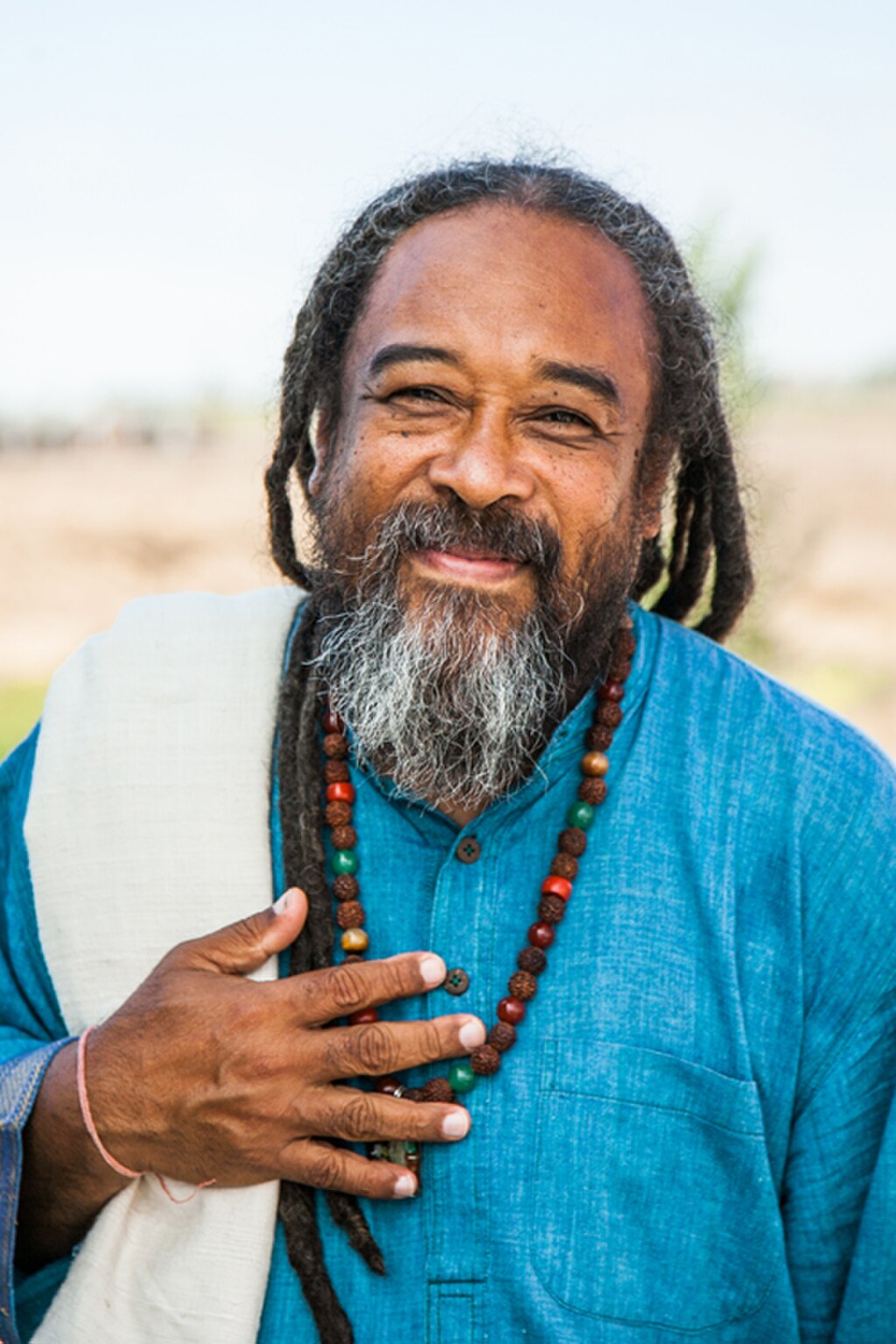
Embracing the Essence of Being: Light, Emptiness, and Space
Mooji invites us into a profound exploration of existence with his succinct yet evocative quote: "Be light. Be empty. Be the space." This call to embody lightness, emptiness, and spaciousness speaks to the heart of non-dual awareness, urging us to transcend the burdens of identity and attachment. In a world often weighed down by expectations and material concerns, this teaching offers a pathway to liberation, inviting us to recognize the inherent freedom that lies in our true nature.
To be light is to shed the heaviness of our conditioned selves, to release the weight of our stories and identities. To be empty is to cultivate a sense of openness, allowing the fullness of life to flow through us without obstruction. Finally, to be the space is to embody the vastness of awareness itself, where all experiences arise and dissolve. This triad of qualities not only encapsulates the essence of spiritual awakening but also serves as a guiding principle for navigating the complexities of modern existence.
The image / the metaphor
The imagery in Mooji's quote is rich and layered, inviting us to visualize a state of being that is both light and expansive. The verb "be" suggests a state of existence rather than a directive to do something; it calls us to embody these qualities as our very essence. Light evokes a sense of clarity and purity, while emptiness suggests a lack of attachment and the ability to receive. Space, in this context, becomes the canvas upon which life unfolds, a reminder that we are not merely the contents of our experiences but the vast awareness in which they arise.
Diving deeper into the metaphor, we can see that light represents the illumination of consciousness, the clarity that comes from seeing things as they truly are. Emptiness, often misunderstood, is not a void but a fertile ground for potential, where the seeds of creativity and insight can take root. The concept of space is equally profound; it is the silent witness to all phenomena, the unconditioned awareness that allows us to experience life without being entangled in it. Together, these elements create a holistic understanding of our existence, urging us to recognize our true nature as boundless and free.
In the speaker's tradition
Mooji's teachings are deeply rooted in the non-dual tradition, which emphasizes the interconnectedness of all beings and the illusion of separation. Concepts such as sunyata (emptiness) and prajna (wisdom) resonate with his message, highlighting the importance of recognizing the transient nature of thoughts and emotions. In this context, the practice of kenosis, or self-emptying, becomes a vital aspect of spiritual growth, allowing us to let go of the ego's grasp and embrace the fullness of our being.
A relevant text that echoes this sentiment is the Heart Sutra, which proclaims that "form is emptiness, and emptiness is form." This profound teaching aligns with Mooji's invitation to be empty and to recognize that our true essence transcends the dualities of existence. By understanding that our identities are but temporary constructs, we can begin to embody the lightness and spaciousness that Mooji encourages, ultimately leading us to a deeper realization of our interconnectedness with all of life.
Living the teaching
Consider a modern scenario where the weight of expectations feels overwhelming—perhaps in a demanding job or during a challenging family gathering. In such moments, Mooji's teaching can serve as a gentle reminder to pause and breathe. By consciously choosing to "be light," we can release the burdens of performance and judgment, allowing ourselves to engage with the present moment more fully. This shift in perspective not only alleviates stress but also opens the door to authentic connection with others.
In relationships, the practice of being empty can transform interactions. Imagine a disagreement with a loved one where both parties are entrenched in their viewpoints. By embodying emptiness, we can approach the situation with an open heart, letting go of the need to be right or to defend our positions. This willingness to create space for understanding fosters deeper intimacy and compassion, allowing love to flourish in the midst of conflict. In daily practice, whether through meditation or mindful awareness, we can cultivate these qualities, gradually integrating them into our lives.
A reflection
As we contemplate Mooji's invitation to "be light, be empty, be the space," we are called to reflect on our own lives and the ways we may be holding onto heaviness or rigidity. What would it mean for you to embody lightness in your daily interactions? In what areas of your life could you practice emptiness, allowing for new possibilities to emerge? As you explore these questions, may you find the courage to embrace the vastness of your being and the freedom that comes with it.



Join the BrightStar Community
Stay connected with daily inspiration, event announcements, and community wisdom