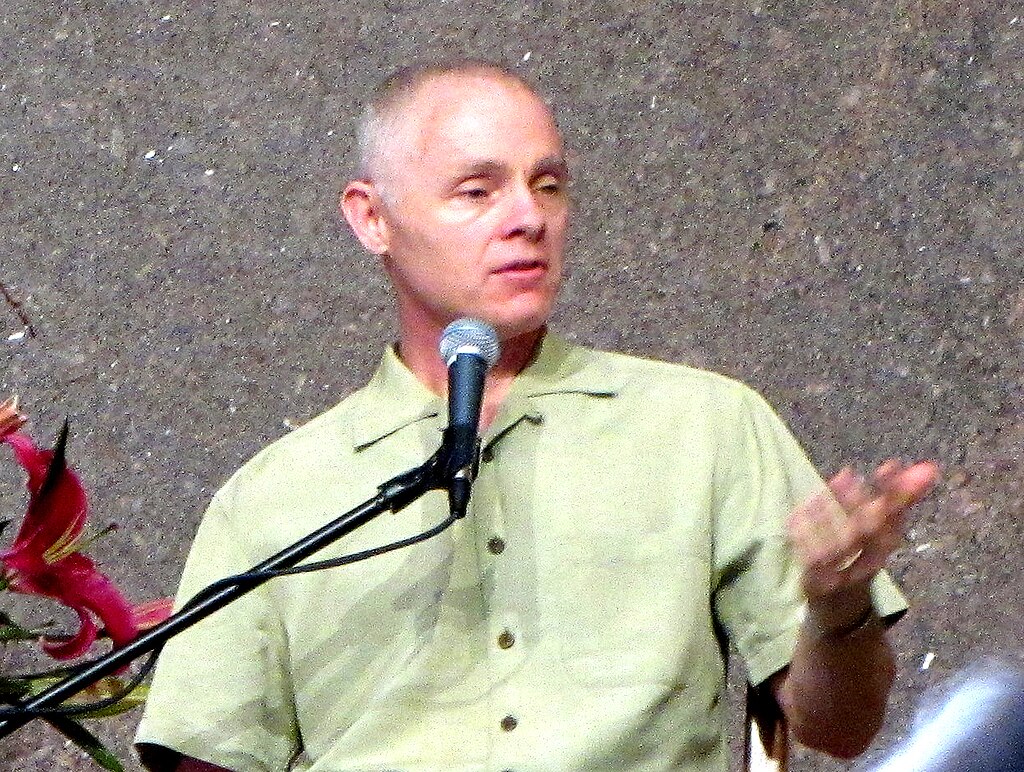
Illuminating the Wound: The Path to Awakening
Adyashanti's poignant assertion, "The wound is where the light enters. But first, we must acknowledge the wound," invites us to confront the painful aspects of our existence as a precursor to spiritual awakening. This statement underscores the necessity of recognizing our suffering as a vital step toward healing and enlightenment. In a world that often encourages us to mask our pain, this perspective challenges us to embrace our wounds, suggesting that they are not merely obstacles but gateways to deeper understanding and transformation.
To acknowledge our wounds is to engage in a profound act of honesty with ourselves. It requires us to look inward and confront the shadows that we often prefer to ignore. This process is not merely about recognizing our pain; it is about understanding that within this very pain lies the potential for illumination and growth. By bringing our wounds into the light of awareness, we create the conditions for healing, allowing the transformative energy of truth to penetrate our lives and guide us toward a more authentic existence.
The image / the metaphor
The imagery in Adyashanti's quote evokes a powerful juxtaposition between darkness and light, pain and healing. The "wound" symbolizes our vulnerabilities, traumas, and the emotional scars we carry. The act of light entering through the wound suggests a dynamic process where our suffering becomes a conduit for insight and awakening. The verbs chosen—"is" and "enters"—imply a state of being and an active engagement, emphasizing that this transformation is not passive but requires our conscious participation.
Diving deeper into the metaphor, we can see that the wound is not merely a site of suffering but also a sacred space of potential. It is through our wounds that we often gain the most profound insights about ourselves and the nature of existence. The light that enters signifies awareness, understanding, and compassion—qualities that arise when we dare to face our pain. This transformative process can lead to a richer, more nuanced experience of life, where our wounds become sources of wisdom rather than mere scars.
In the speaker's tradition
Adyashanti's teachings are rooted in the non-dual tradition, which emphasizes the interconnectedness of all existence and the illusion of separation. Concepts such as *sunyata* (emptiness) and *fana* (self-annihilation) resonate deeply with the idea that our wounds can lead us to a greater understanding of our true nature. In this context, acknowledging our wounds is akin to practicing *kenosis*, the self-emptying that allows us to let go of our egoic attachments and embrace the fullness of being. This journey toward healing and awakening is not just personal; it is a collective movement toward realizing our shared humanity.
In the *Dharma* teachings, the acknowledgment of suffering is the first noble truth, which aligns with Adyashanti's assertion. The *Four Noble Truths* guide us to understand that suffering is an inherent part of life, and by recognizing it, we can begin to transcend it. This acknowledgment is not a resignation to suffering but rather an invitation to explore the depths of our experience, ultimately leading us to liberation and enlightenment.
Living the teaching
Consider a modern scenario where this teaching resonates: a person grappling with the loss of a loved one. In the initial stages of grief, one might feel overwhelmed by pain and sorrow, often seeking to avoid these feelings. However, by acknowledging the wound of loss, they can begin to process their emotions, allowing the light of understanding and acceptance to enter. This journey through grief can transform into a profound exploration of love, connection, and the impermanence of life, leading to a deeper appreciation for the moments shared with the departed.
In relationships, this teaching can manifest when conflicts arise. Instead of brushing aside the hurt or resentment, partners can choose to acknowledge their wounds—be it feelings of neglect, misunderstanding, or betrayal. By openly discussing these wounds, they create a space for healing and intimacy, allowing the light of compassion and understanding to illuminate their connection. This practice not only fosters deeper bonds but also cultivates a shared commitment to growth and healing within the relationship.
A reflection
As we contemplate Adyashanti's profound insight, we are invited to reflect on our own wounds and the light that may be waiting to enter. What aspects of your life are you hesitant to acknowledge? In what ways might embracing your wounds lead to greater understanding and healing? Allow this contemplation to guide you toward a deeper exploration of your own journey, recognizing that within each wound lies the potential for transformation and awakening.