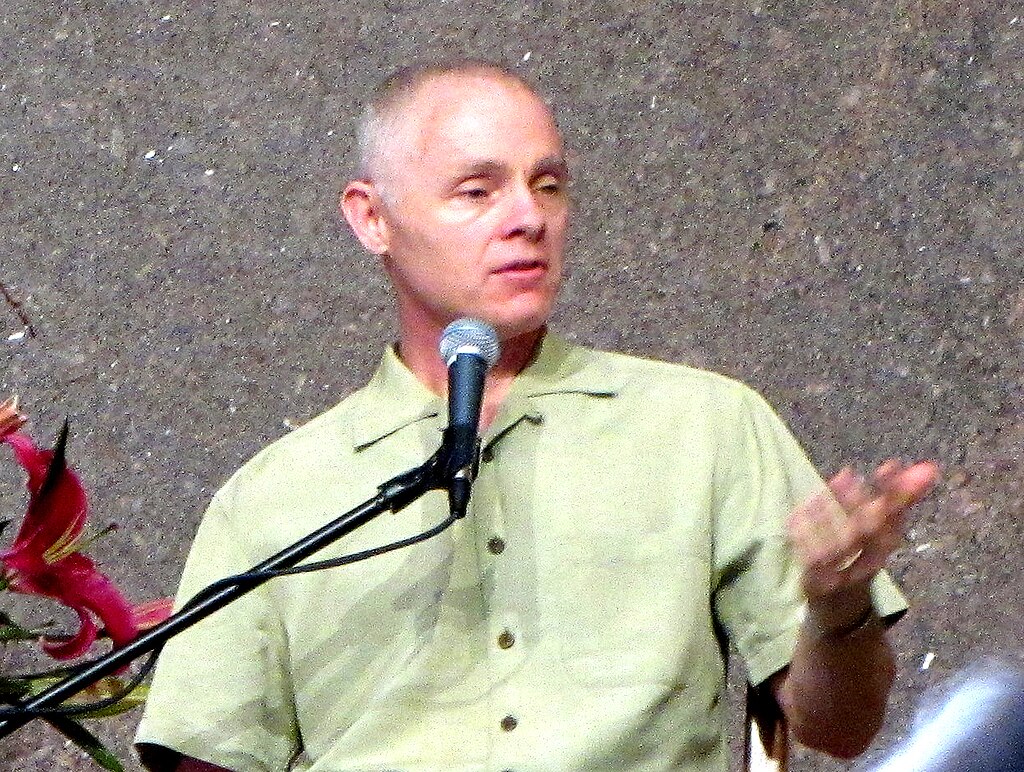
The Rest of Awareness: A Journey into Non-Dual Meditation
Adyashanti's assertion that "to rest as awareness is the highest meditation" invites us to explore the profound depths of our being. This statement suggests that true meditation transcends techniques and practices, urging us instead to embrace a state of pure awareness. In a world often characterized by distraction and busyness, this teaching holds the potential to transform our understanding of meditation from a task to be accomplished into a state of being to be realized.
At its core, this quote challenges the conventional notions of meditation as a structured practice involving concentration or visualization. Instead, it points us toward a more intrinsic understanding of awareness itself. By resting in awareness, we are invited to experience a profound stillness that is not merely the absence of thought, but a vibrant, alive presence that connects us to the essence of who we are. This shift in perspective is not only liberating but essential for those seeking deeper spiritual fulfillment.
The image / the metaphor
The imagery in Adyashanti's quote evokes a sense of ease and surrender. To "rest" implies a gentle letting go, a relinquishing of the striving that often accompanies our attempts at meditation. The verb "rest" suggests a natural state of being, one that is inherently available to us when we cease our efforts to control or manipulate our experience. This resting is not passive; rather, it is an active engagement with the present moment, allowing awareness to unfold without interference.
In the speaker's tradition
Adyashanti's teachings are rooted in the non-dual tradition, which emphasizes the interconnectedness of all existence and the illusion of separation. Concepts such as *sunyata* (emptiness) and *fana* (annihilation of the self) resonate with the idea of resting in awareness. In this context, resting as awareness invites us to dissolve the boundaries of the ego, allowing us to experience the fullness of life without the filters of personal narrative or judgment. This state of being aligns with the Buddhist concept of *dharma*, where understanding the nature of reality leads to liberation.
In his work, Adyashanti often references the importance of direct experience over intellectual understanding. This aligns with the teachings found in texts such as the *Heart Sutra*, which speaks to the emptiness of all phenomena and the liberation that arises from this realization. By resting as awareness, we are not merely contemplating these concepts; we are embodying them, allowing the truth of our interconnectedness to permeate our experience.
Living the teaching
Consider a modern scenario where the teaching of resting as awareness can be applied: a hectic day at work filled with deadlines and distractions. In such moments, the tendency is to become overwhelmed, caught in the whirlwind of thoughts and tasks. However, by taking a moment to pause and rest in awareness, one can step back from the chaos. This simple act of grounding oneself in the present can transform the experience, allowing clarity and calm to emerge amidst the storm.
Another application of this teaching might arise in the context of relationships. During a disagreement with a loved one, emotions can run high, and the urge to defend oneself or react can be overwhelming. By choosing to rest as awareness, one can create space for understanding and compassion. This practice not only fosters deeper connections but also allows for a more authentic expression of love, free from the constraints of ego-driven reactions.
A reflection
As we contemplate Adyashanti's profound statement, we might ask ourselves: "What would it mean for me to rest as awareness in my daily life?" This question invites us to explore the areas where we tend to strive or resist, encouraging us to embrace a more effortless approach to our experiences. By reflecting on this inquiry, we can begin to uncover the layers of our being that yearn for recognition and acceptance, ultimately leading us toward a deeper understanding of ourselves and our place in the world.

Join the BrightStar Community
Stay connected with daily inspiration, event announcements, and community wisdom