Why Interfaith Communities Show Up in Times of Crisis
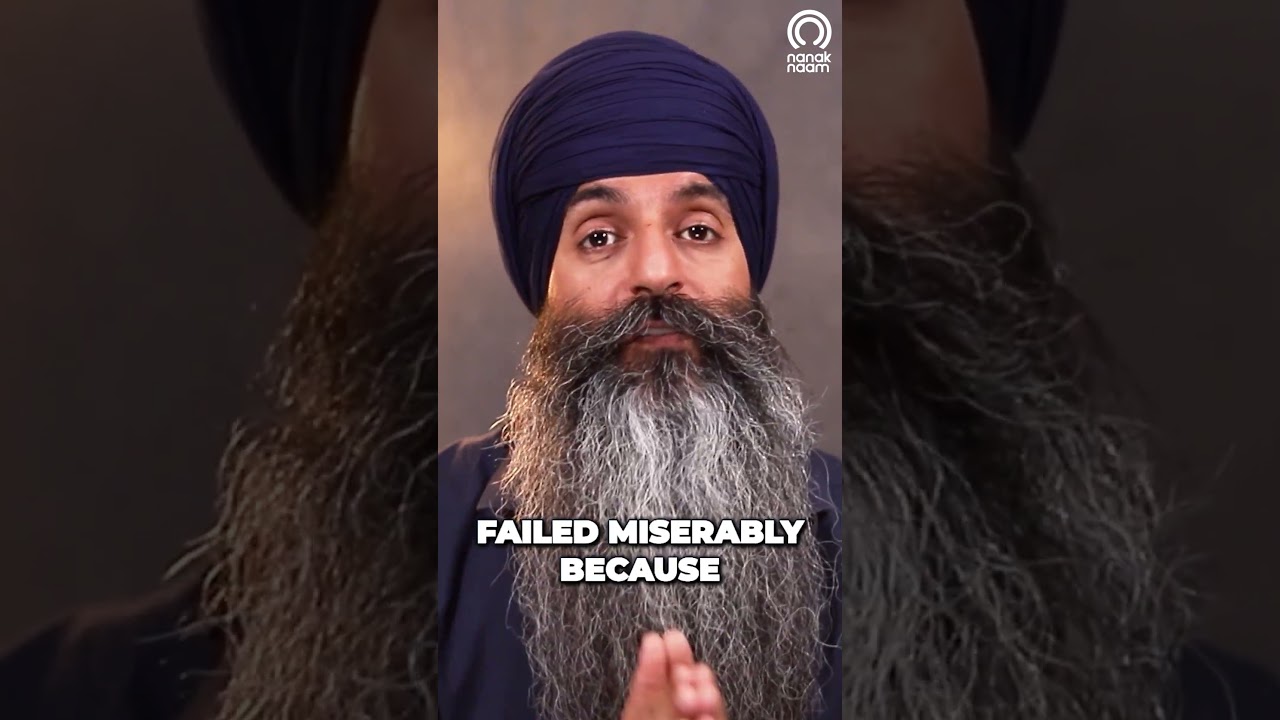
Kaur and Sharma begin by establishing the immediate context: letters of love and support for the Muslim families affected by the shooting, delivered not as an obligation but as an expression of kinship. Sharma explains that it is "important for us coming from the communities that we do to be able to show our solidarity, our respect, and our love for the Muslim community" (0:28s). This is not abstract activism—it is grounded in a shared understanding of what anti-Muslim hatred looks like.
Sharma articulates this shared vulnerability with precision: "Knowing that we are folks that also know the impact of anti-Muslim hatred. Um we know that as Sikhs, as Hindus, as people who are of brown and black skin, we show up in spaces knowing that we could be targeted" (0:38s). The presence at the mosque is therefore not charity but recognition. Communities that have been targeted by the same machinery of white nationalist violence understand that the assault on one is the assault on all.
Sharma, as faith director of the National LGBTQ Task Force, brings an additional layer of intersectional awareness: "as the faith director at the National LGBTQ Task Force, I also know it means that we have to talk about these conversations at an intersection" (0:49s). This is crucial. The solidarities being discussed here are not single-issue—they recognize that anti-Muslim hate, anti-Black racism, anti-LGBTQ violence, and Islamophobia operate through overlapping systems of oppression and require coordinated resistance.
What 25 Years Since 9/11 Teaches Us About Community Resilience
Kaur situates the San Diego shooting within a longer historical arc. "I've been thinking a lot about um 25 years since 9/11. And so, when the shooting happened, I felt so much grief for these children, these families, this community. And I also felt a lot of rage" (0:74s). That rage is not abstract anger—it is rooted in the specific machinery constructed in the post-9/11 era.
Kaur's historical analysis is direct: "we have been fighting so much of the white nationalist rage that has now overtaken the highest seats of power in this country were set into motion in the wake of 9/11. And it was our communities targeted first, and we were trying to warn the country, if you build apparatus to target our communities, it will fuel greater hate violence, and and that target will expand beyond us. And now we're seeing it" (0:88s). This is not vindication Kaur seeks—it is an explanation of how the surveillance apparatus, the rhetoric, the legal tools, and the cultural permission structures built to target Muslims, Sikhs, and South Asians in the post-9/11 era have now metastasized into broader campaigns of violence.
Yet the talk does not dwell in despair. Instead, Kaur shifts attention to what she has learned by looking back across those 25 years: "I had to take a breath and look back again at the last 25 years. And in the wake of every atrocity, I realized that there were always people who did what the nation as a whole did not" (0:121s). This is the crucial observation. While institutional responses often disappoint or fail, there have always been individuals and communities who crossed the line—literal and metaphorical—to show up in grief and witness.
The Practice of Solidarity: Flowers, Letters, Presence, and Organization
Kaur names the specific practices of solidarity: "they crossed the line to to grieve with us, to weep with us, to bring the flowers and the letters of love, to make the donations, to say to say we are your neighbors and we are here for you. We will defend you. We will shield you. We will grieve with you and we will organize with you" (0:129s). Notice what is included here: grief and tears (the emotional acknowledgment), flowers and letters (the tangible witness), donations (the material support), and—crucially—organizing (the political commitment). Solidarity is not sentiment alone; it includes sustained action toward structural change.
Kaur's assessment of what this solidarity means is sobering and hopeful at once: "And that is the kind of solidarity that I think is the the reason I'm still breathing, you know, with everything that our communities have survived. And it's the kind of solidarity that I feel like if we can unlock that, unlock the depth of that in our country, imagine how much we can power our movements for liberation" (0:151s). Solidarity, here, is not a luxury—it is a survival practice and a source of transformative political power.
Revolutionary Love and the Courage to Show Up Again and Again
Sharma responds by anchoring the work in a specific concept: revolutionary love. "I think time and time again I just remind myself that the possibilities are endless for the work and it's only because we get to discover what that true revolutionary love looks like" (0:179s). This is not romantic sentiment—it is a disciplined practice of showing up for others even when exhausted, even when the systems working against you seem immovable.
Sharma emphasizes that revolutionary love requires intentional relationship work: "when we lean into these relationships, when we take the time, the intention to learn about our differences, but more importantly understand that the struggles are so real, but they're so shared at the same time that there's no other way to be able to do the work that we do except to lean in" (0:192s). The paradox here is important: differences are real and must be learned and honored, and yet the shared struggles are equally real and equally demanding. Both facts must be held simultaneously.
Sharma testifies to the emotional toll and the sustaining power of community. He references the 10th-year commemoration of the Pulse nightclub shooting in Orlando and the exhaustion of moving from crisis to crisis: "I found that really necessary especially at a time where June 12th is going to be the 10th year commemoration of the shooting at the nightclub Pulse in Orlando, Florida. And I've been doing a lot of work to try to get interfaith folks to be in conversation with the LGBTQ community in Orlando. And then this happens here in Southern California. And the intensity at which I got frustrated, but also remembered that we can do this differently, would only be possible because I know who's showing up" (0:208s). The knowing—the relational infrastructure already in place—is what allows activists to move from despair to renewed action.
Deep Solidarity vs. Shallow Solidarity: The Root Logic
The conversation culminates in a defining distinction. Kaur states: "I think about how shallow solidarity is rooted in the logic of exchange. I show up for you, so you show up for me. But deep solidarity is rooted in love. I show up for you because you are my sister, you are my brother, you are my beloved. And that kind of love is what will rebirth the country" (0:261s).
This distinction cuts to the heart of the matter. Shallow solidarity is transactional: it expects reciprocity and keeps a ledger. When one community suffers, another shows up—with the implicit expectation that when the second community faces crisis, the first will be present. This is not wrong, but it is limited. Deep solidarity asks: Why am I here? The answer is not "because you owe me" but "because you are my beloved." This reframing changes everything. It means that solidarity is not contingent on future payback. It is rooted in an already-existing relationship of kinship and mutual recognition.
Sharma affirms: "It's unbreakable" (0:278s). Deep solidarity, rooted in love and kinship rather than exchange, creates bonds that cannot be broken by the vicissitudes of political fortune or by the exhaustion that comes with sustained struggle.
Where to Go From Here
The invitation in this conversation is threefold. First, examine your own solidarities: are they rooted in exchange (transactional) or in love (kinship)? Second, invest in the relational infrastructure—the "knowing who is showing up" that Sharma references. This means building relationships across difference before crisis strikes, so that when tragedy comes, the pathways are already clear. Third, recognize that the struggles of targeted communities are fundamentally shared. Brown and Black people, Muslims, Sikhs, Hindus, LGBTQ people, and others are not competing for limited resources of justice—they are confronting overlapping systems of violence that require coordinated, intersectional resistance. The possibility of liberation depends on unlocking the depth of this kind of solidarity.
]]>